
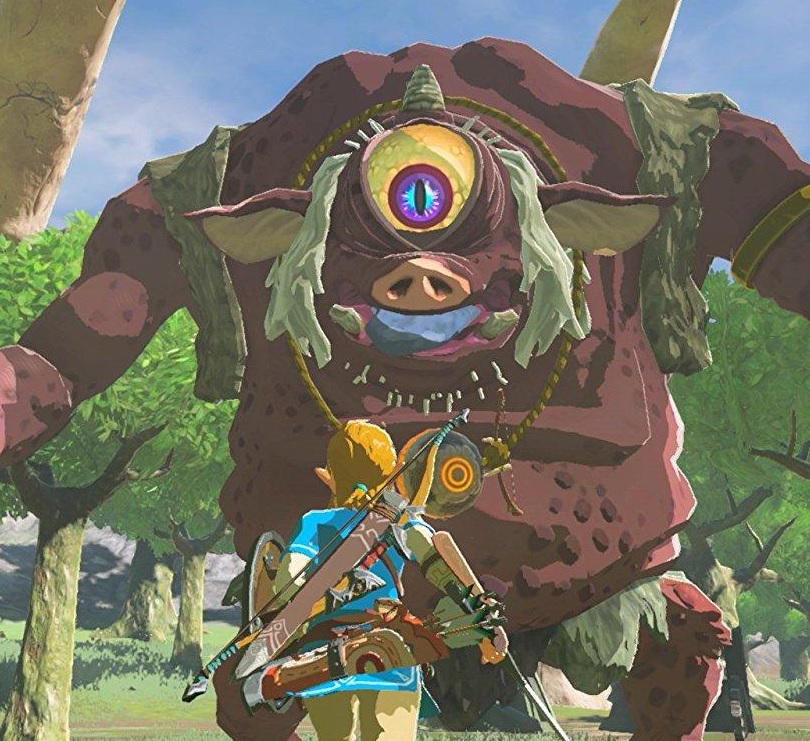
AI tools are making it easier than ever to create software, but that convenience is raising some uncomfortable questions for the video game industry. Anthropic, the company behind Claude, has introduced new restrictions designed to prevent its AI coding assistant from recreating existing video games.
The change affects Claude Code when used with the Opus 5.5 model. The updated instructions tell Claude to help build original games, games within established genres, and projects based on a user’s own designs and assets. However, it is specifically instructed not to recreate an existing game, even if the user changes its name or claims the result is an original creation.
The restriction was first spotted by an X user named Chasm, who noticed the new instructions appearing in Claude Code around October 27. Anthropic subsequently confirmed the change through Addy Osmani, a member of its technical staff.
Osmani explained that the company added two sentences to Claude Code’s prompt to steer it away from recreating someone else’s game. He pointed to Anthropic’s existing usage policy, which prohibits using its tools to infringe on intellectual property. He also stressed that original game development and projects using a developer’s own material should continue to work.
The decision comes amid growing concerns about AI-assisted game cloning. Developers have recently seen popular games recreated and adapted for browser play, raising questions about how easily existing titles can be copied with the help of AI. Smaller studios have particular reason to be concerned. Digital Sun Games, for example, postponed a public playtest of its upcoming game ReVamp over fears that someone could use the demo to create a competing imitation.
Anthropic’s move may offer some reassurance to developers, but it is not a complete solution. The restriction is designed to steer Claude away from copying specific games, and it remains unclear how effectively it can distinguish legitimate development work from attempts to reproduce someone else’s creation. Developers can also turn to other AI tools that do not have the same restrictions.
There are questions about how the rules will affect legitimate projects, particularly when developers are working with their own games or attempting to reverse-engineer software for legitimate reasons.
For now, Anthropic says it will continue refining the restrictions to find the right balance. AI-assisted game development isn’t going away, but the question of where inspiration ends and outright copying begins is becoming increasingly difficult for the industry to ignore.
Sources:
- Game Developer: Anthropic orders AI tool Claude to stop remaking video games
- Engadget: Anthropic updates Claude to stop it from recreating existing video games
- PC Gamer: Anthropic updates Claude to steer it away from game cloning
- Tom’s Hardware: Anthropic confirms new Claude Code limits to prevent game cloning






Leave a Reply